
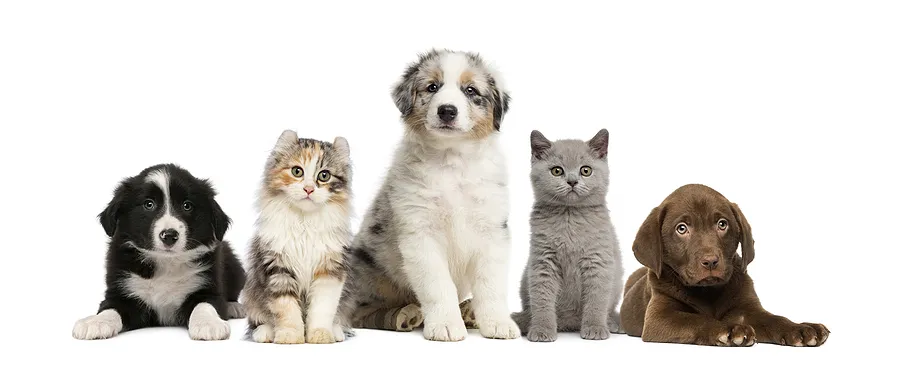
Anyone who has lived with an animal knows the moment: your dog crosses the room and presses against your leg on the worst day of your week, without being asked, without knowing why. Your cat, who is overly independent, comes to you and jumps on your lap comfortingly purring which changes your mood. Animals are extraordinarily attuned to states of calm and distress — their own and ours.
That attunement is why Reiki with animals is, in the experience of most practitioners who do it, remarkably straightforward. Animals do not wonder whether it works. They simply respond, or move away.
This guide covers what Reiki with animals actually involves, how it differs from working with people, what it can reasonably support, the boundaries that matter legally and ethically, and how to find someone qualified.
The International Association of Reiki Professionals has been supporting Reiki Practitioners and Master Teachers worldwide since 1996, including many who specialize in animal work.
What Reiki with animals actually is
Reiki is a gentle relaxation practice in which a trained practitioner offers calm, focused attention with hands resting lightly on or near the recipient. With animals, the intention is the same as with people: to support relaxation and a sense of ease. [LINK: what-is-reiki]
One thing to be clear about before anything else: Reiki is not veterinary care and is not a treatment for any illness or injury. The practice does not diagnose, treat, or claim to cure disease in animals any more than it does in humans. What Reiki offers animals is what it offers people: the benefits of a quiet, unhurried presence, and conditions that support settling.
The single biggest difference: animals choose
This is the heart of good animal Reiki practice, and it is what separates thoughtful practitioners from people who simply put their hands on pets.
A person receiving Reiki lies down and stays put. An animal does not, and should not be made to. Experienced animal practitioners work with what is often called an open, invitational approach: the practitioner settles quietly in the space, offers Reiki, and lets the animal decide everything about the encounter — whether to approach, how close to come, whether to accept touch, how long to stay, and when it is finished.
An animal might come and lean into the practitioner’s hands. It might lie down three feet away and fall asleep. It might sit in the doorway and observe from a distance. It might leave the room entirely and return ten minutes later. Practitioners regard all of these as valid responses, and none of them as failure.
This matters practically as well as ethically. Restraining an animal to receive Reiki defeats the purpose entirely — you cannot force relaxation into a creature you are holding still. If a practitioner insists on holding your animal in place, that is a signal to end the session. [LINK: animal-reiki-consent]
What a session looks like
Sessions typically run 20 to 45 minutes — shorter than human sessions, because animals often settle faster and because their attention naturally ebbs.
The practitioner usually begins by simply sitting or standing quietly in the animal’s space without approaching, letting the animal register their presence. Then they offer Reiki — sometimes with hands near the animal, sometimes with hands resting on it if the animal comes close and seems to invite contact, sometimes at a distance across the room.
Common responses practitioners describe: the animal’s breathing slows and deepens; it yawns, licks its lips, or sighs; it lies down; it falls asleep. Cats sometimes begin to purr. Horses frequently drop their heads and rest a hind leg. Dogs commonly lean in. Some animals become briefly more alert or restless before settling.
You will usually be asked to be present but quiet — no commands, no encouragement, no trying to make your animal cooperate. Your own calm matters more than you might expect; animals read their people continuously, and a handler radiating anxiety about whether this is working makes settling harder.
Sessions can happen in your home, at a barn or stable, at a shelter, in a veterinary clinic with permission, or at a distance.
What Reiki with animals can support
For general wellness or as an adjunct to, and always alongside veterinary care rather than instead of it:
Anxiety and stress. This is the most common reason people seek animal Reiki — dogs with separation anxiety, thunderstorm or fireworks fear, reactivity, or general nervousness; cats stressed by moves, new arrivals, or vet visits. Practitioners frequently report animals settling noticeably during sessions and handlers reporting calmer behavior afterward.
Rescue and rehoming transitions. Animals coming out of shelters, hoarding situations, or neglect are often carrying fear that training alone does not resolve quickly. Many shelters and rescues now welcome volunteer Reiki practitioners for exactly this reason. The invitational approach suits these animals particularly well — it gives an animal that has had no control a genuine choice.
Comfort during illness, recovery, or treatment. Alongside veterinary care, Reiki is often used to support animals who are recovering from surgery, undergoing treatment, or living with a chronic condition — not to address the condition, but to support rest and comfort.
Aging and end of life. For many people this is the most meaningful application. Practitioners frequently work with elderly animals and with families during euthanasia or hospice, offering calm presence to the animal and, just as importantly, to the humans.
Behavioral support alongside training. Reiki does not train an animal. But calmer animals learn better, and many practitioners work in partnership with trainers and behaviorists.
Working with different animals
Dogs are generally the most straightforward. They tend to approach readily, accept touch, and settle visibly. Watch for the classic calming signals — yawning, lip-licking, soft eyes, a slow tail — as signs of a settling nervous system.
Cats are more particular and often more interesting. Many cats prefer Reiki at a distance and will accept it from across the room while pretending to ignore the practitioner entirely. A cat that stays in the room at all is usually accepting. Never chase, corner, or pick up a cat for a session.
Horses respond notably well, and equine Reiki is a substantial specialty. Their size and prey-animal wiring make the invitational approach essential — a practitioner should work at liberty in or near a paddock or near a stall where the horse can move away, never with a horse tied and unable to leave. Classic responses include head-lowering, licking and chewing, deep sighs, and resting a hind leg.
Small animals, birds, reptiles, and farm animals are all worked with by practitioners, usually at a slight or greater distance given their size and sensitivity. Prey species in particular need the practitioner to be still, low, and unhurried.
Wildlife should be left alone. Distance Reiki is sometimes offered to injured or orphaned wildlife in rehabilitation settings, but approaching wild animals is unsafe for everyone and often illegal.
The boundaries that matter
This section is the most important one in this article, and any practitioner worth hiring will agree with all of it.
Veterinary care always comes first. If your animal is unwell, injured, off its food, in pain, or behaving unusually, see a veterinarian.
Practitioners must never diagnose or advise on treatment. A Reiki practitioner should not tell you what is wrong with your animal, suggest you stop a medication, recommend against a procedure, or offer any opinion that belongs to your veterinarian.
Practitioners should work with veterinary knowledge, not against it. Good animal Reiki practitioners ask about your animal’s diagnosis and medications, take note of surgical sites or painful areas, and are happy for you to tell your vet what they are doing.
Consent is the animal’s to give. Every time.
If you encounter a practitioner who tells you their Reiki can heal your animal’s condition, or who suggests you delay or skip veterinary care, end the conversation. That is the clearest warning sign in this field.
Can you learn to do this yourself?
Yes, and many people who come to Reiki through an animal end up training precisely so they can offer it at home.
The path is the same as for human practice: Level I teaches self-treatment and the foundations, Level II is the level most practitioners hold before working with others’ animals, and there are specialized Animal Reiki trainings that build on that foundation with species-specific knowledge — behavior, body language, safety around large animals, and the ethics of working in shelters and clinics.
Practicing on your own animals requires no certification. Working with other people’s animals professionally means the same responsibilities as any practice: training, liability insurance if available, clear scope-of-practice language, and ideally professional association membership. Animal work carries an additional layer — insurers and shelters increasingly ask for proof of certification or credentials.
Finding a practitioner for your animal
Ask about their animal-specific training and experience. Human Reiki training alone is not the same as knowing how to read a fearful dog or stay safe around a horse.
Ask how they handle consent. The answer should involve letting the animal choose. If it does not, keep looking.
Ask about their relationship with veterinary care. They should welcome your vet being informed and should have clear boundaries about what they do not comment on.
Ask about insurance and professional membership. Ordinary questions for anyone working with your animal.
Watch your animal. Your dog or cat or horse will tell you within minutes whether they are comfortable with this person. Trust that.
The IARP Practitioner Directory lets you find practitioners who list Reiki for Animals as a specialty.
Find an animal Reiki practitioner near you →
Frequently asked questions
Does Reiki work on animals?
Practitioners and owners widely report animals settling, relaxing, and showing calming behaviors during sessions. Formal research in animals is limited. Reiki is a comfort and relaxation practice, not a treatment for any condition.
Can Reiki replace veterinary care?
No. Never delay veterinary attention for an animal that is unwell or injured.
How long is a session?
Usually 20–45 minutes, and often shorter — animals frequently signal when they are finished.
Can it be done at a distance?
Yes, and many practitioners offer this, which suits fearful animals and those who find travel stressful.
Is it safe for pregnant, elderly, or very ill animals?
It is gentle and non-invasive, and is commonly offered to fragile animals. Tell the practitioner everything, and keep your vet informed.
My animal walked away — did it fail?
No. An animal declining or taking what it wants and leaving is a normal, healthy response. Practitioners treat the animal’s choice as part of the practice, not a problem with it.
A closing thought
The most common thing practitioners say about animal work is that animals are honest. They do not perform politeness, they do not wonder whether they believe in it, and they do not stay to be agreeable. They take what they want and they leave when they are done.
For a practice built on offering rather than doing, that turns out to be a very good teacher.
The International Association of Reiki Professionals has been supporting Reiki teachers, practitioners, and students worldwide since 1996. Reiki is a complementary relaxation practice and is not a substitute for veterinary care.